The Ultimate Guide to Distilled Water

The Ultimate Guide to Distilled Water

Are you ready to break up with water that’s only ‘good enough’ and upgrade to the diamond standard of bottled water – distilled water? Distilled water is considered one of the purest forms of water possible thanks to the meticulous process of distillation that removes all minerals and impurities. This makes distilled water a popular choice in medical settings, where purity is of the utmost importance. It is widely used in the production of cosmetic and pharmaceutical products, as well as food products.

But distilled water isn’t just limited to industrial or medical use. It’s a popular choice for drinking water among health-conscious consumers. It can also benefit hobbyists and enthusiasts, such as those who keep aquariums or produce beer and spirits. Did you know that distilled water can even extend the lifespan of equipment, from car batteries to humidifiers? And of course, it’s essential for those using CPAP equipment. With so many uses and benefits, it’s no wonder distilled water is a must-have for so many people. In this guide, you’ll learn everything you need to know about distilled water.

Experience the convenience and purity of vapor distilled water from Aquapap.

What is Distilled Water?

Distillation is a process that has been used for centuries to purify water and other substances. It involves heating water until it is boiling and the resulting steam is collected and cooled, causing it to condense back into water that has been completely purified. During this process, any impurities or contaminants in the original water, from bacteria to fluoride, are left behind. Not only does it have a neutral pH level, but this type of purified water also does not contain any trace elements or organic matter that can affect your health. By removing many of the contaminants and dissolved solids found in regular water, including bacteria, viruses, and chemicals, distillation is one of the most effective ways to produce high-quality, pure water.
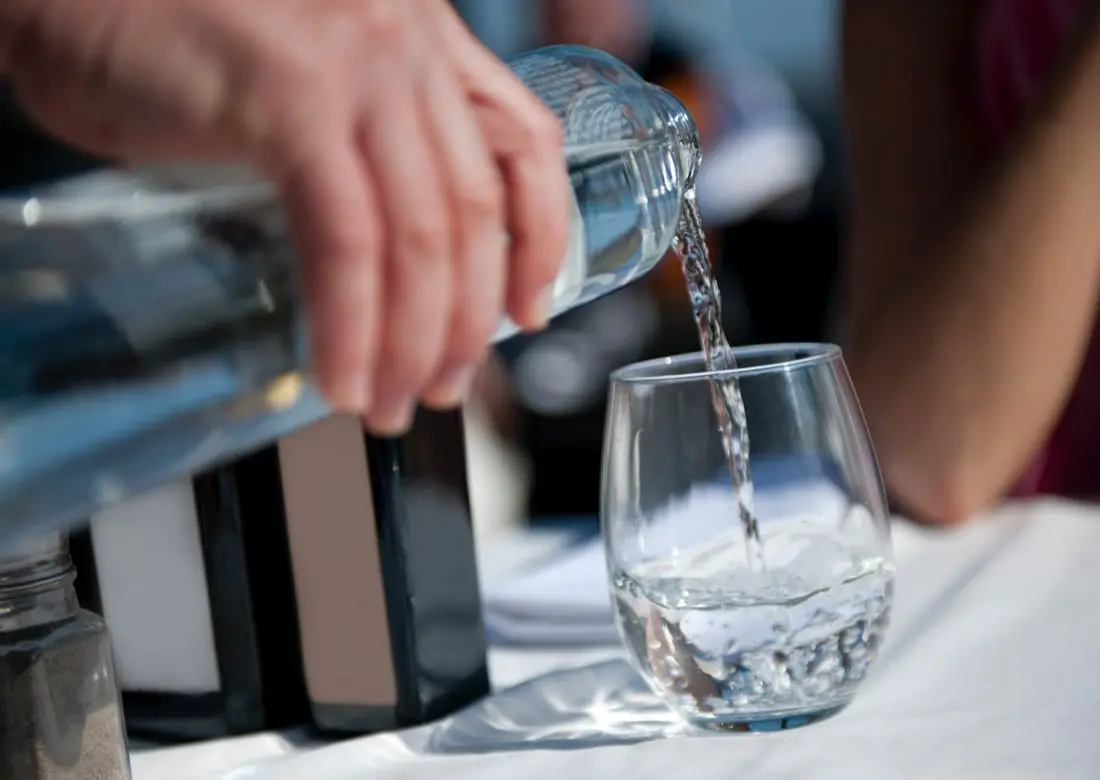
distilled water being poured in a glass


Sleep apnea patients have a special need for the right type of water. After a long tiring day, as you lay your head on the pillow and finally drift off to dreamland, you might not give a thought about what kind of water is in your CPAP machine. But the warm, moist environment in the machine's humidifier can be a breeding ground for bacteria, which you can then inhale. Doctors recommend distilled water only because it can actually help protect you from respiratory infections caused by exposure to tap water contaminants and bacterial growth. It’s crucial to remember that not all water is created equal when it comes to CPAP machines. Stick with distilled water to reduce your risk of respiratory infections and enjoy your dreams even more soundly.

Distilled water’s purity also makes it useful in other household appliances, such as irons and handheld steamers, humidifiers, and air conditioning units. These appliances are prone to mineral buildup that can cause damage and reduce lifespan. This pure form of water prevents mineral buildup, and the appliances remain in good working condition.



For Distilled Water Bottles, Size Matters

Using distilled water can be a game-changer for various applications, but don’t let the urge to snag a supersized jug lead to more problems than it solves. It may seem like a smart way to cut costs, but the real cost is an impure product if you don’t use the whole container within 48 hours. Why is that? Once the seal of a distilled water jug has been broken, the clock begins ticking. The once-pure water, stripped of all minerals and impurities, is now at the mercy of its environment. The air we breathe, the surfaces we touch, and even the very hands we use to pour the water can all introduce contaminants to the water and ruin its once-pristine state. Even in the cleanest of environments, bacteria is everywhere. When the seal of a distilled water jug is opened and exposed to air, it allows the bacteria to enter and begin to multiply within the water. These microorganisms can feed off of any organic matter that is present in the water, such as skin cells or dust, and can quickly create a breeding ground for even more bacteria.

A women drinking distilled water while taking rest from jogging


The consequences of using contaminated distilled water can range from mild to severe, depending on the type of bacteria present. It can cause anything from a minor stomach ache to a serious illness, and can even be fatal in extreme cases. Even using slightly contaminated distilled water won't do you any favors. In fact, it might just max out your frustration levels faster than a broken pencil. Rather than sticking with a one-size-fits-all approach, consider the benefits of smaller containers. Less water means faster use, and that means less time for contaminants to sneak in, and that's always a plus.

Distilled water is a must-have for many people, but carrying around heavy gallon jugs can be a cumbersome hassle. Whether you're planning a camping trip or you need it for your CPAP, the inconvenience of large containers can really weigh you down. Fortunately, you don’t have to settle for a gallon jug. You can choose portable bottles of Aquapap vapor distilled water instead. Not only do these small-sized bottles provide the convenience you need, but they're also crafted with care to ensure you're getting pure, high-quality distilled water products every time.


Designed to be both easy to transport and use, their compact size makes them perfect for use in any setting. And let’s not forget about their added benefit of reducing waste. By only purchasing what you need, you can minimize the chances of water going to waste. Plus, because the small bottles are designed to be used quickly, cross contamination from bacteria growing in an opened bottle is eliminated (or at least kept to a minimum if you choose to use it over a few days). That means you can confidently drink, make baby formula, or fill up your CPAP machine humidifier without worrying about bacterial growth in your water when you choose Aquapap products.
Back to blog